

If you’ve ever tried to outsource fulfillment, you’ve run into 3PL and 4PL, usually with no clear explanation of which is which. They look nearly identical from the outside. In practice, they hand your supply chain to very different kinds of partners: one you work alongside, one you largely hand the keys to. This guide lays out what each actually does, where they differ on cost and control, and which tends to fit at each stage of growth.
Before getting into the details, it helps to keep the basic distinction in mind. A 3PL handles the physical side of the operation, from receiving and storing inventory to picking, packing, and shipping orders through ecommerce fulfillment services. A 4PL operates at a different level, coordinating multiple logistics partners and taking responsibility for the bigger supply chain picture. Once you see that difference, the rest of the comparison becomes much easier to follow.
3PL vs 4PL: The Core Difference Every Brand Should Know
The difference really comes down to one word each: doing versus directing. A third-party logistics provider, or 3PL, handles the physical side, storing your inventory, picking and packing orders, and shipping them out to your customers. A fourth-party logistics provider, or 4PL, sits a level above that. It runs the strategy and coordinates all your vendors, 3PLs included, so you manage one relationship instead of ten.
So a 3PL is the doer and a 4PL is the manager. Go with a 3PL and you stay in the loop, talking straight to the people touching your product. Go with a 4PL and you hand over the wheel, trusting one strategic partner to run the whole thing. Neither wins on paper. It comes down to how much control you actually want, and how tangled your supply chain has gotten.
And this isn’t just theory. It changes who you call at 6 p.m. when an order is stuck, how your contracts read, and how much of the day-to-day you can actually see. A 3PL keeps you close to the action. A 4PL deliberately tucks that detail away so you can think about strategy instead of shipments.
What a Third-Party Logistics Provider Actually Handles Daily?
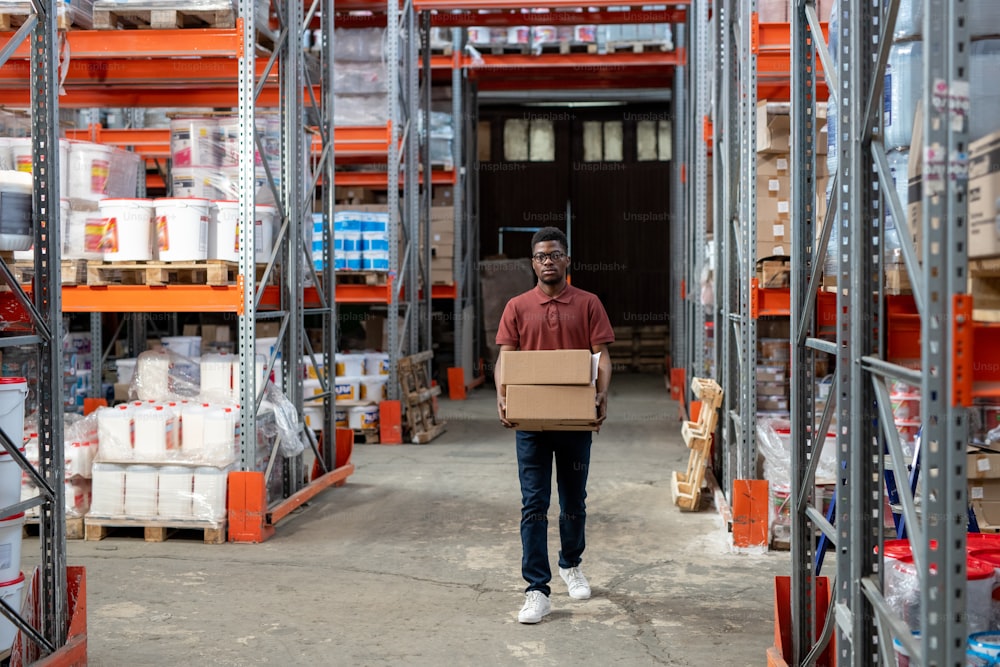
For most growing brands, a 3PL is the first partner they meet. It brings the warehouses, the people, and the software that turn a click on your store into a box on someone’s porch. The core list usually looks like this: receiving inventory, storing it, picking and packing orders, shipping through carrier networks, and handling returns. Plenty of 3PLs go further, too, with kitting, custom packaging, and FBA prep for Amazon sellers.
The pull of a 3PL is simple: focus and flexibility. You offload the heavy lifting, still reach the team by phone when something comes up, and only pay for what you use. Phase V works this way, shaping the service around each brand rather than the other way around. Get a feel for what a 3PL does day to day and you’re already halfway to understanding the 4PL side.
Picture a normal Tuesday. Trucks roll in, staff scan the inventory into the system, shelves fill up. Orders start landing from your store, and the floor team grabs the right items, packs them so they survive the trip, and hands them off to carriers. Underneath all of it, software keeps the counts honest and pushes them back to your sales channels in real time. When a 3PL is good at this, your customers never think about any of it. Their order just shows up on time.
What a Fourth-Party Logistics Provider Oversees for You?
A 4PL zooms out. Instead of running one warehouse, it designs and manages the whole chain, from sourcing and freight all the way to warehousing and that last mile to the door. You get a single point of contact, and it wrangles every vendor in the network for you, the 3PLs doing the physical work included.
This tends to fit bigger, messier operations that would rather not babysit a web of suppliers. What you get is strategy, technology that actually talks to itself, and someone constantly tuning the whole chain instead of just running one slice of it. The catch? Less hands-on control, and usually a bigger bill. That rounds out the other half of the picture.
A 4PL also owns the numbers. It watches how every vendor is performing, catches bottlenecks before they turn into missed shipments, and quietly reroutes or renegotiates to keep things moving. If you’re shipping across several regions or channels, that one dashboard can stand in for a dozen relationships your own team would otherwise be chasing all week.
3PL vs 4PL: Cost, Control, and Scope of Service Compared
Three things usually settle it: cost, control, and scope. A 3PL is easier on the budget because you’re paying for specific services, and it hands you more direct control over how everything runs. A 4PL costs more, but it takes almost all of the daily management off your plate.
Here’s the side-by-side on the points that matter most when you’re picking a partner.
| Factor | 3PL (Third-Party) | 4PL (Fourth-Party) |
| Primary role | Executes logistics tasks | Manages the whole supply chain |
| Physical assets | Owns warehouses, staff, trucks | Asset-light, coordinates others |
| Your involvement | Hands-on, direct control | Hands-off, single point of contact |
| Scope | Specific services you select | End-to-end supply chain strategy |
| Cost | Lower, pay per service | Higher, premium for oversight |
| Best for | Small to mid-size ecommerce brands | Large, complex, multi-vendor operations |
| Vendor management | You manage the 3PL directly | The 4PL manages all vendors |
Don’t read that as a scoreboard, though. It’s a set of trade-offs. Want control and lean costs? A 3PL usually makes more sense. Want convenience and someone to own the entire chain? A 4PL earns its premium. In the end, the answer just reflects how much of your logistics you’d rather run yourself.
Why Do Most Ecommerce Brands Start With a 3PL Model at First?
For most ecommerce brands, the 3PL is the obvious first move. Early on, your supply chain isn’t complicated: you’ve got stock to store and orders to ship, and a 3PL covers exactly that without piling on a strategic layer you don’t need yet. It’s affordable, flexible, and quick to get running.
A good one grows with you, too. As volume climbs, it adds capacity, plugs into your store platform, and picks up extras like returns or kitting. Plenty of brands ride a single 3PL happily for years, only revisiting the 3PL vs 4PL question once their supply chain gets too knotted for one provider to handle cleanly.
There’s a speed angle as well. The warehouses, the staff, the carrier contracts, a 3PL already has all of it, so you can be shipping in weeks instead of the months it takes to build a full supply chain from scratch. For a young brand scrambling to keep up with demand, that head start usually beats any long-term optimization on paper.
3PL vs 4PL: How to Choose the Right Logistics Partner Today
Start with an honest look at your own operation. Count the vendors you’re juggling. Be real about how complicated your freight and distribution have gotten. Add up the hours your team burns on logistics instead of building the business. Simple, execution-first needs point to a 3PL. Sprawling, multi-vendor chains point to a 4PL.
Budget and control weigh in just as heavily. If protecting margin and staying hands-on matter to you, a 3PL fits. If you’d happily trade some control and spend a little more to make logistics stop being a daily headache, that’s the 4PL’s whole pitch. For a lot of brands, the smart play is to begin with a strong 3PL and only move up to a 4PL when the complexity genuinely calls for it.
|
Not sure which model fits your brand? Let’s figure it out together. Choosing the right logistics partner depends on your order volume, sales channels, and how much support your team needs. Phase V provides tech-driven solutions, personalized support from a dedicated account manager, and more than 35 years of experience helping ecommerce businesses grow. Tell us about your operation and our team will take the time to understand your needs and recommend a setup that fits your business. |


